
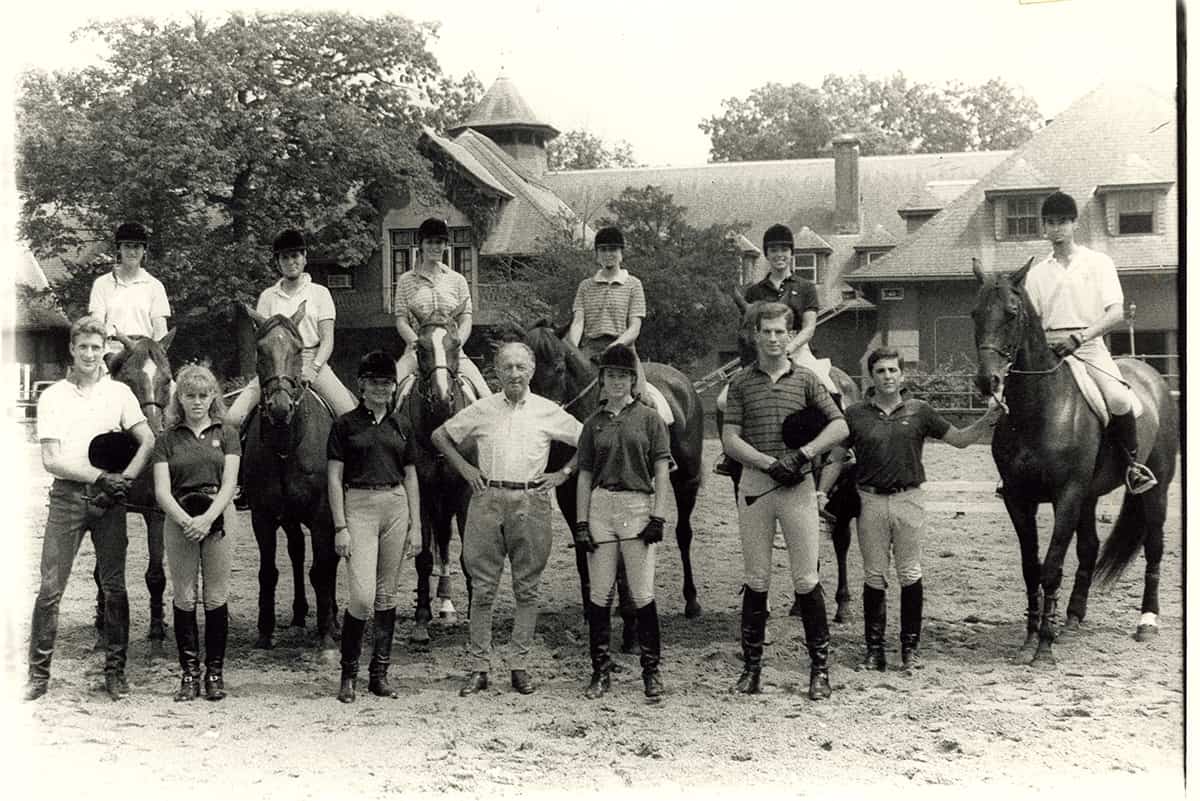
The USET show jumping discipline was led by Bertalan de Nemethy, a former Hungarian cavalry officer and riding instructor at the Royal Hungarian Cavalry School. Mr. de Nemethy came to the United States in 1952 and became the coach of the USET in 1955. He retained this position until 1980 and was a large part of the Team’s show jumping success during those years. He is credited with bringing a strict training regimen to U.S. riders that emphasized dressage and gymnastics. “What he found with the team were riders that had done showing and riding a lot, but didn’t have the foundation and the fundamentals of riding,” said Steinkraus. “Bert’s teams abroad were very well prepared — the riders and the horses.”
After de Nemethy retired, Chrystine Jones Tauber, a long-time rider for the USET, took over show jumping activities at Hamilton Farm when Team ownership of horses was phased out and selecting horses and riders for specific international events became the norm.
Another monumental shift occured when Jack Le Goff was hired in 1970 as the USET Eventing coach. The graduate of the Cadre Noir in France and a member of that country’s Olympic Team, he revolutionized the American equestrian programs and defined an era with medals and championships. In his 14-year tenure with the USET he never missed winning a medal with any of his Eventing teams, garnering 18 medals in eight international championships. His innovative, intensive training changed the U.S. eventing program forever.
Over the years the USET added four more disciplines: driving, vaulting, endurance and reining. In addition, para-equestrian was introduced for physically challenged riders. All eight of these disciplines eventually became known as the High Performance disciplines as they all competed internationally.
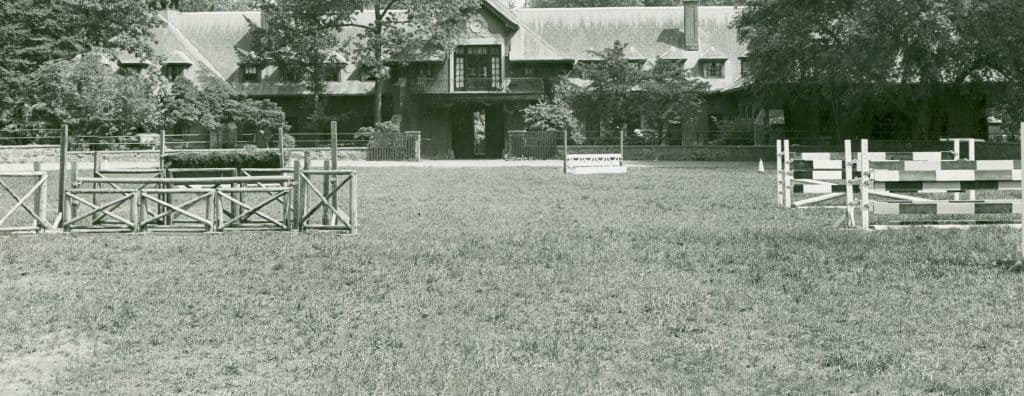
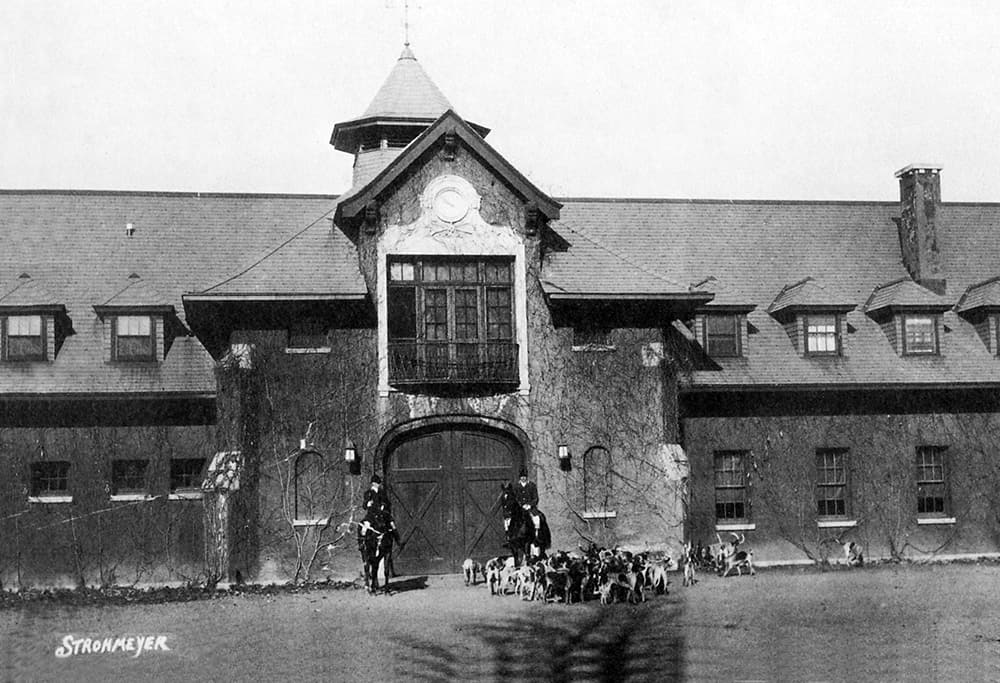
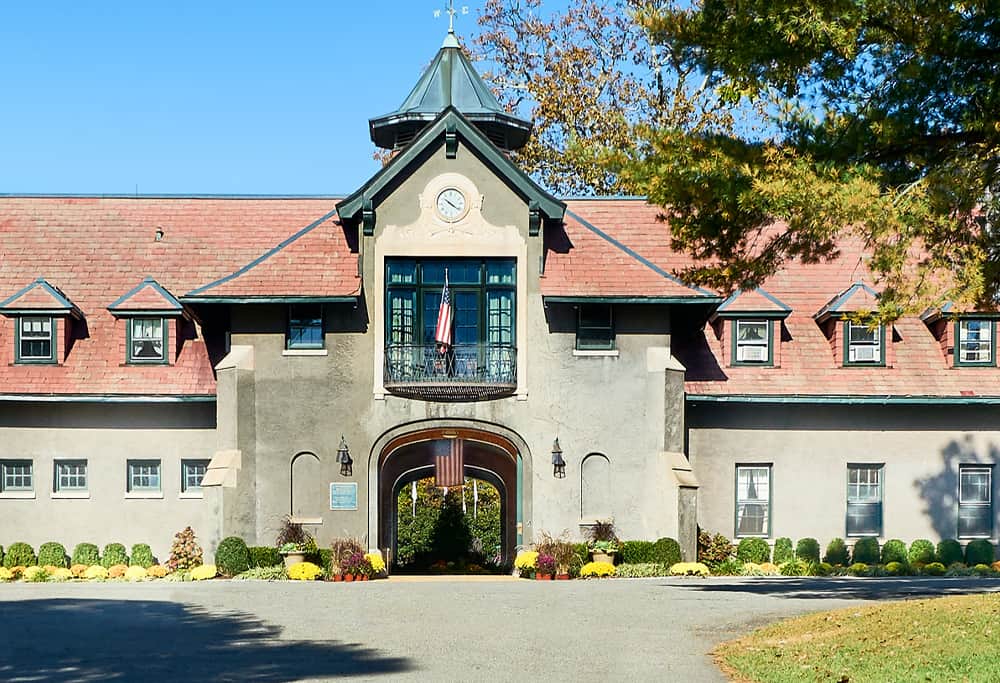
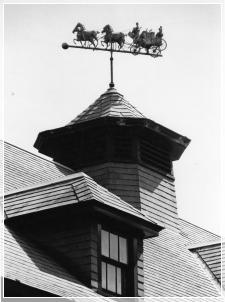 On December 1, 2003, the United States Equestrian Team became the USET Foundation with a fundraising mandate. The sports governance of American equestrianism came under the control of the newly formed United States Equestrian Federation. The USET Foundation remains headquartered at Hamilton Farm, along with some of the High Performance division of the Federation. The Foundation’s purpose is to raise funds for the High Performance programs.
Hamilton Farm continues to thrive, hosting USEF events such as the Dressage National Championships, the Talent Search East, plus leasing the facilities for various horse shows, dressage and driving events. The Federation also hosts a number of training clinics for developing riders in High Performance disciplines. Bonnie Jenkins, the Foundation’s Executive Director, declared, “The USET Foundation intends to be a good steward and do everything we can to preserve the traditions and rich history that we have here in Gladstone.”